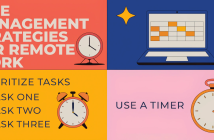
Introduction
Remote work in 2025 demands strong productivity techniques to stay focused, meet deadlines, and maintain efficiency across distributed teams. Without the structure of a traditional office, professionals must rely on strategies that enhance focus, prioritize tasks, and optimize workflows. This article explores the most effective remote work productivity techniques, practical tips, mini case studies, and YouTube tutorials to help remote professionals boost output, reduce distractions, and achieve business and personal goals. By implementing these techniques, remote workers can work smarter, maintain balance, and consistently deliver high-quality results.
Why Productivity Techniques Matter in Remote Work
Remote work introduces challenges like distractions, unclear boundaries, and time management difficulties. Productivity techniques provide structure, improve focus, and ensure that high-value tasks are prioritized. Professionals and teams who adopt these strategies report higher efficiency, better time management, and improved work-life balance.
Top Remote Work Productivity Techniques
Time-Blocking & Scheduling
Allocate specific blocks of time to tasks
Reduce multitasking and ensure focused work
Mini Case Study: A remote developer used time-blocking to structure coding, meetings, and learning, increasing daily output by 40%.
YouTube Embed Suggestion: “Time-Blocking for Remote Work Success” – YouTube Link

Pomodoro Technique
Work in focused intervals (25–50 minutes) followed by short breaks
Helps maintain energy and focus over long workdays
Example: A freelance content writer doubled output while maintaining quality using Pomodoro sessions combined with short mindful breaks.
Prioritization Frameworks
Use Eisenhower Matrix, ABCD method, or MIT (Most Important Tasks) to prioritize daily work
Focus on high-impact tasks first
Mini Case Study: A remote marketing team improved campaign delivery by implementing weekly prioritization meetings and daily MIT reviews.
Task Batching & Deep Work
Group similar tasks together to minimize context switching
Schedule deep work sessions for complex or creative tasks
Tip: Block off distraction-free time for deep work and use tools like Focus Booster or Forest app.
Goal Setting & Review
Set short-term and long-term goals to maintain motivation
Review progress weekly to adjust strategies
Example: A remote sales team used weekly goal reviews to track targets and adjust outreach strategies, increasing sales by 20%.
Minimizing Distractions
Turn off unnecessary notifications and separate workspaces from personal areas
Use browser extensions like StayFocusd or Freedom to block distractions
Mini Case Study: A remote UX designer increased focus by creating a dedicated home office and scheduling notification-free work blocks.
Mindfulness & Energy Management
Incorporate short breaks, stretching, meditation, or breathing exercises
Maintain consistent energy levels and reduce stress
Tip: Use apps like Calm, Headspace, or Brain.fm to support focused work sessions.

How to Implement Productivity Techniques Effectively
Identify Pain Points: Determine where time and focus are lost
Test Techniques: Experiment with different methods and track results
Combine Strategies: Use complementary techniques like time-blocking with Pomodoro
Monitor Progress: Keep a journal or use tools like Notion or Toggl Track
Iterate & Refine: Continuously improve based on feedback and outcomes
Common Mistake: Using too many techniques at once → Fix: Start with one or two, then scale gradually.
Common Mistakes & Fixes
| Mistake | Fix |
| Overloading techniques | Start small, then expand gradually |
| Ignoring breaks | Schedule short breaks to maintain energy and focus |
| Multitasking | Focus on one task at a time using time-blocking |
| Poor task prioritization | Use frameworks like MIT or Eisenhower Matrix |
| Not tracking results | Monitor output and adjust techniques accordingly |
FAQ
What are the best productivity techniques for remote work?
Time-blocking, Pomodoro, prioritization frameworks, task batching, deep work, goal setting, and mindfulness.
Can these techniques improve focus for remote workers?
Yes, they reduce distractions, optimize task management, and enhance energy levels.
How do I start implementing productivity techniques?
Begin with one or two methods, track results, and iterate gradually.
Are these techniques suitable for both individuals and teams?
Yes, techniques can be adapted for personal workflows and collaborative projects.
Do productivity techniques reduce remote work stress?
Yes, structured workflows, breaks, and prioritization help manage workload effectively.
How long does it take to see results?
Consistent application over 2–4 weeks often leads to measurable improvements.
Conclusion
Applying remote work productivity techniques is essential for staying focused, managing tasks efficiently, and achieving goals in 2025. By leveraging time-blocking, Pomodoro sessions, prioritization frameworks, task batching, goal setting, and mindfulness practices, remote professionals can optimize performance, maintain energy, and balance work-life responsibilities. Implementing these strategies ensures consistent productivity, improved output quality, and long-term professional growth in distributed work environments.
Internal & External Links
Internal:
Productivity Tools for Remote Work
Remote Team Collaboration Tools
Time Management Skills for Remote Work
External Authority: