Introduction
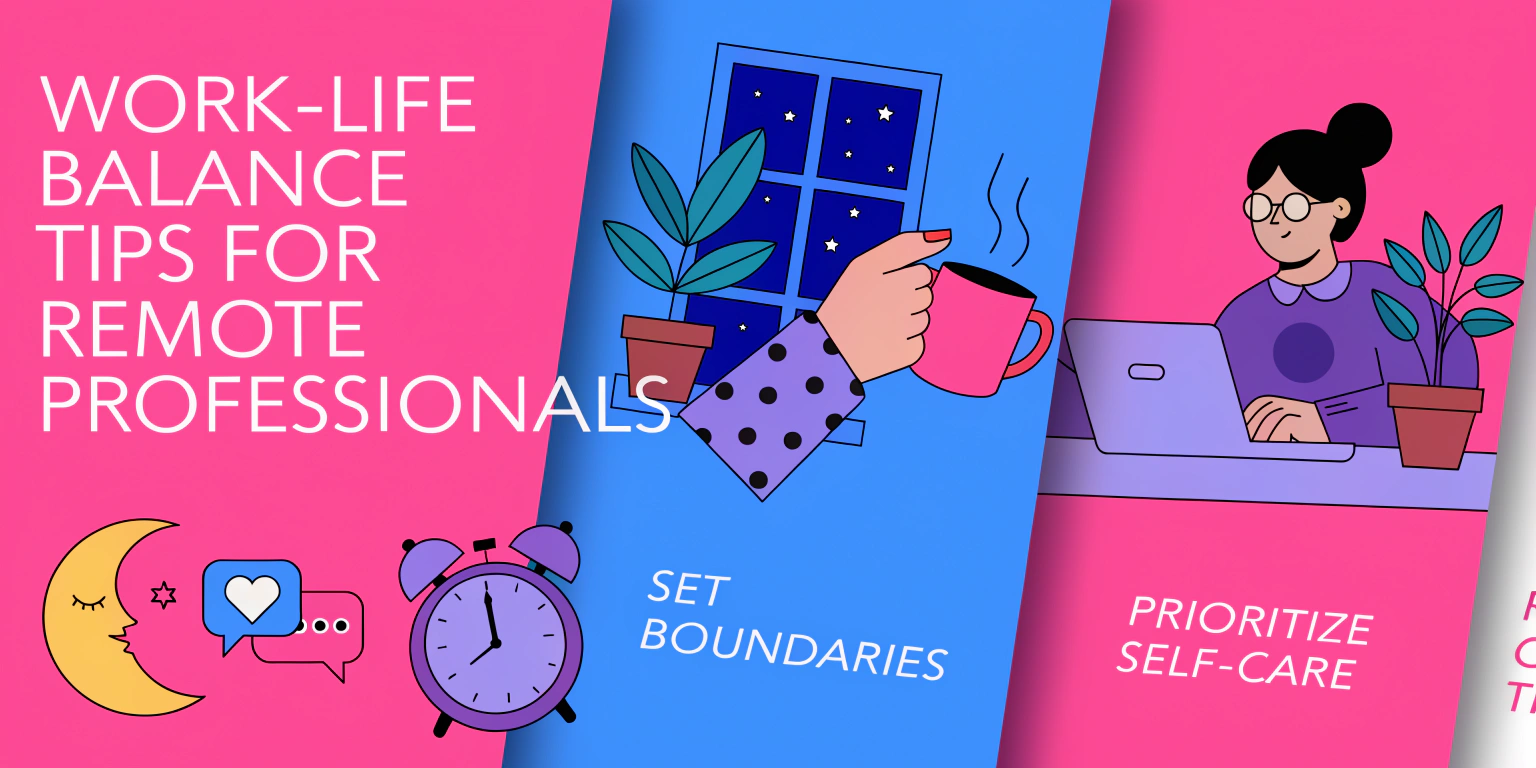
Work-Life Balance Tips for Remote Professionals.Maintaining a healthy work-life balance for remote professionals in 2025 is essential for long-term productivity, mental health, and overall well-being. Remote work offers flexibility but also blurs the lines between professional and personal life, leading to burnout if not managed properly. This article explores actionable tips, real-world examples, mini case studies, and YouTube tutorials to help remote professionals structure their schedules, separate work from personal time, and maintain energy and focus. By implementing these strategies, remote workers can achieve peak performance while enjoying a balanced lifestyle, ensuring sustainable productivity and happiness in a distributed work environment.
Why Work-Life Balance Matters for Remote Professionals
Remote professionals often face overworking, irregular schedules, and difficulty disconnecting. A strong work-life balance helps:
Reduce stress and burnout
Maintain consistent productivity
Improve focus and mental clarity
Enhance personal and professional satisfaction
Mini Case Study: A remote marketing manager reported a 30% drop in stress and improved output after establishing clear work hours and dedicated personal time.
Top Work-Life Balance Tips for Remote Professionals
Set Clear Work Hours
Define start and end times for your workday
Communicate boundaries with team and family
Example: A remote developer blocks 9 AM–5 PM for work and avoids checking emails afterward, improving personal time quality.
YouTube Embed Suggestion: “Remote Work Boundaries for Better Work-Life Balance” – YouTube Link
Create a Dedicated Workspace
Separate work and personal areas to mentally switch off
Ergonomic setup enhances comfort and focus
Mini Case Study: A remote designer reported fewer distractions and improved focus after converting a spare room into a home office.

Take Regular Breaks
Schedule short breaks and lunch away from screens
Prevent burnout and maintain energy throughout the day
Example: A remote writer uses the Pomodoro technique to include 5-minute breaks every 25 minutes, sustaining focus for longer periods.
Prioritize Personal Time
Reserve time for hobbies, exercise, and family
Maintain social connections to reduce isolation
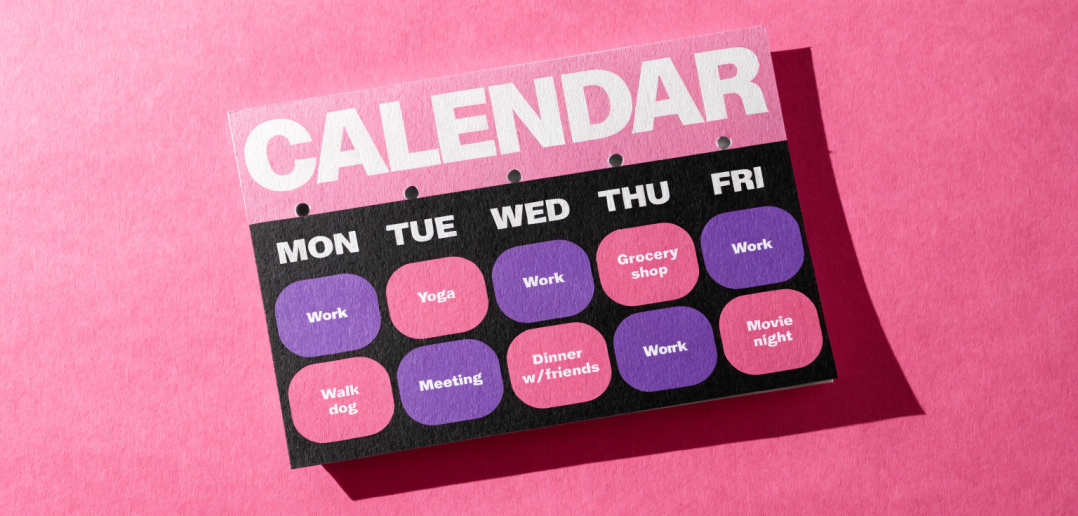
Tip: Treat personal activities as non-negotiable appointments in your calendar.
Use Productivity Tools Wisely
Tools like Asana, Trello, and Notion can structure tasks efficiently
Avoid over-reliance on notifications that blur boundaries
Mini Case Study: A remote marketing team streamlined task management in Trello, reducing after-hours work by 25%.
Set Boundaries With Technology
Mute notifications after work hours
Separate devices for work and personal use if possible
Example: A remote HR professional avoids checking work email on weekends, improving mental health and reducing stress.
Practice Mindfulness and Self-Care
Incorporate meditation, yoga, or breathing exercises
Reduces stress, increases focus, and supports emotional well-being
Tip: Apps like Headspace or Calm can guide daily mindfulness routines.
Regularly Review and Adjust
Weekly reflection on workload and personal life balance
Adjust schedules and strategies as needed
Mini Case Study: A remote sales executive uses Sunday reviews to plan the week, achieving better work-life balance and improved efficiency.
How to Implement Work-Life Balance Strategies Effectively
Identify Stress Points: Recognize when work interferes with personal life
Communicate Boundaries: Clearly define work hours with team and family
Schedule Personal Activities: Treat them as equally important as work tasks
Use Tools Mindfully: Leverage productivity apps without overloading notifications
Regularly Reflect: Adjust strategies to maintain a sustainable balance
Common Mistake: Ignoring personal time → Fix: Block non-negotiable personal hours in your calendar.
Common Mistakes & Fixes
| Mistake | Fix |
| Overworking without breaks | Schedule regular breaks and adhere to work hours |
| Blurring work and personal spaces | Create a dedicated workspace for work only |
| Ignoring mental health | Practice mindfulness, exercise, and social activities |
| Over-reliance on notifications | Limit notifications after work hours |
| Lack of reflection | Conduct weekly reviews to adjust balance strategies |
FAQ
Why is work-life balance important for remote professionals?
It reduces stress, prevents burnout, and maintains consistent productivity.
How can I set boundaries while working remotely?
Define clear work hours, use a dedicated workspace, and communicate with team/family.
What strategies help prevent overworking?
Schedule breaks, prioritize personal time, and mute notifications after work hours.
Are mindfulness practices effective for work-life balance?
Yes, they reduce stress, improve focus, and enhance emotional well-being.
How do I balance work with family or personal life at home?
Use clear schedules, dedicated spaces, and plan non-negotiable personal activities.
How long does it take to establish a healthy work-life balance?
With consistent strategies and reflection, improvements are noticeable within 2–4 weeks.
Conclusion
Maintaining work-life balance for remote professionals is essential to achieving long-term productivity, mental health, and job satisfaction in 2025. By setting clear work hours, creating dedicated workspaces, taking breaks, prioritizing personal time, managing technology, practicing mindfulness, and reflecting regularly, remote workers can enhance efficiency while enjoying a fulfilling personal life. A balanced approach ensures sustainable success, reduced stress, and overall well-being in distributed work environments.
Internal & External Links
Internal:
Managing Distractions While Remote Working
Time Management Strategies for Remote Work
Remote Work Productivity Techniques
External Authority: