
Introduction
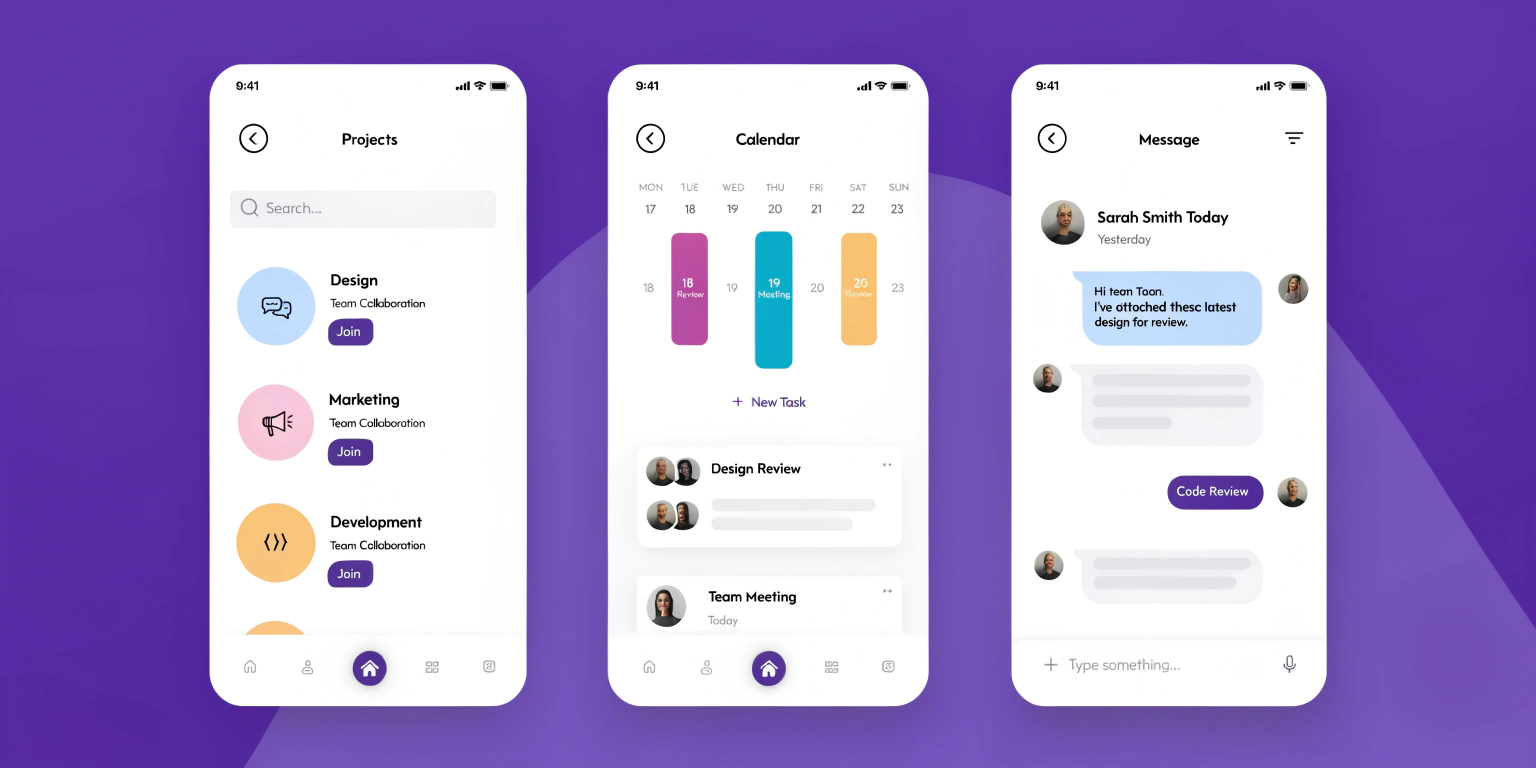
In 2025, distributed teams rely on remote team collaboration tools to communicate effectively, manage projects, and maintain productivity. With team members working across multiple locations and time zones, seamless collaboration becomes essential to avoid miscommunication and missed deadlines. This article explores the most effective collaboration tools, practical usage tips, real-world examples, mini case studies, and YouTube tutorials to help remote teams work smarter, not harder. By leveraging these tools strategically, teams can enhance engagement, streamline workflows, and achieve business goals efficiently while fostering a culture of collaboration.
Why Collaboration Tools Are Critical for Remote Teams
Remote work introduces challenges such as asynchronous communication, scattered documentation, and lack of face-to-face interaction. Collaboration tools centralize communication, track project progress, and foster transparency. Teams that adopt the right tools experience improved efficiency, higher accountability, and stronger team cohesion.
Top Remote Team Collaboration Tools
Communication & Messaging Platforms
Platforms: Slack, Microsoft Teams, Discord
Features: Real-time messaging, channels for topics/projects, file sharing
Mini Case Study: A remote marketing team used Slack channels for different campaigns, reducing email clutter and speeding up approvals by 30%.
YouTube Embed Suggestion: “Best Communication Tools for Remote Teams” – YouTube Link
Video Conferencing Tools
Platforms: Zoom, Google Meet, Microsoft Teams
Features: Video calls, screen sharing, breakout rooms, recordings
Example: A global software team scheduled daily stand-ups via Zoom, improving team alignment and reducing miscommunication.

Project & Task Management Tools
Platforms: Asana, Trello, ClickUp, Monday.com
Features: Task tracking, deadlines, Kanban boards, team collaboration
Mini Case Study: A distributed design team used Trello to visualize project workflows, increasing on-time delivery by 25%.
File Sharing & Document Collaboration Tools
Platforms: Google Workspace, Dropbox, OneDrive
Features: Cloud storage, collaborative editing, version control
Tip: Centralize all project files in shared folders and enforce naming conventions to prevent confusion.

Virtual Whiteboarding & Brainstorming Tools
Platforms: Miro, MURAL, FigJam
Features: Digital whiteboards, mind-mapping, idea organization
Mini Case Study: A remote product team conducted virtual brainstorming sessions using Miro, resulting in faster idea generation and better design alignment.
Scheduling & Time Management Tools
Platforms: Calendly, Google Calendar, Doodle
Features: Meeting scheduling, time zone management, availability coordination
Example: A remote HR team used Calendly to coordinate interviews across multiple time zones, reducing scheduling conflicts.
Feedback & Performance Tools
Platforms: 15Five, Lattice, Culture Amp
Features: Employee engagement, performance reviews, feedback loops
Tip: Regularly collect and act on team feedback to maintain engagement and continuous improvement.
How to Choose the Right Collaboration Tools
Assess Team Needs: Identify workflow challenges and communication gaps
Evaluate Features: Prioritize tools that integrate with existing workflows
Consider Team Size & Complexity: Some platforms scale better for larger teams
Ease of Use: Select intuitive tools to encourage adoption
Trial & Feedback: Pilot tools with small groups and gather team input
Common Mistake: Using too many tools → Fix: Consolidate overlapping tools to simplify workflows and reduce confusion.
Common Mistakes & Fixes
| Mistake | Fix |
| Overloading on platforms | Limit to essential tools and ensure integration |
| Lack of training | Provide team onboarding and resources for tools |
| Ignoring team feedback | Regularly review tool effectiveness and adoption |
| Poor documentation | Use structured shared files for clarity |
| Not coordinating time zones | Implement scheduling tools and clear communication norms |
FAQ
What are the best collaboration tools for remote teams?
Messaging, video conferencing, project management, file sharing, whiteboarding, scheduling, and feedback tools.
Do collaboration tools improve remote team productivity?
Yes, they centralize workflows, improve communication, and enhance accountability.
Can small remote teams benefit from collaboration tools?
Absolutely, even small teams experience improved organization and faster decision-making.
Are free collaboration tools effective?
Many free versions are highly functional, but premium features may enhance scalability and integration.
How can teams ensure adoption of collaboration tools?
Provide training, gather feedback, and demonstrate the tool’s value in daily workflows.
Can collaboration tools reduce remote work stress?
Yes, by improving transparency, streamlining communication, and reducing confusion or duplicated work.
Conclusion
Using the right remote team collaboration tools is essential for distributed teams to communicate effectively, manage projects efficiently, and maintain high productivity in 2025. By leveraging messaging platforms, video conferencing, project management tools, cloud storage, whiteboarding apps, scheduling software, and feedback platforms, remote teams can streamline workflows, foster collaboration, and achieve business objectives while enhancing team engagement and satisfaction.
Internal & External Links
Internal:
Productivity Tools for Remote Work
Time Management Skills for Remote Work
Communication Skills for Remote Work
External Authority:


